Coco Gauff Opens Up About Crying on Court at the US Open: Vulnerability as Her Greatest Strength

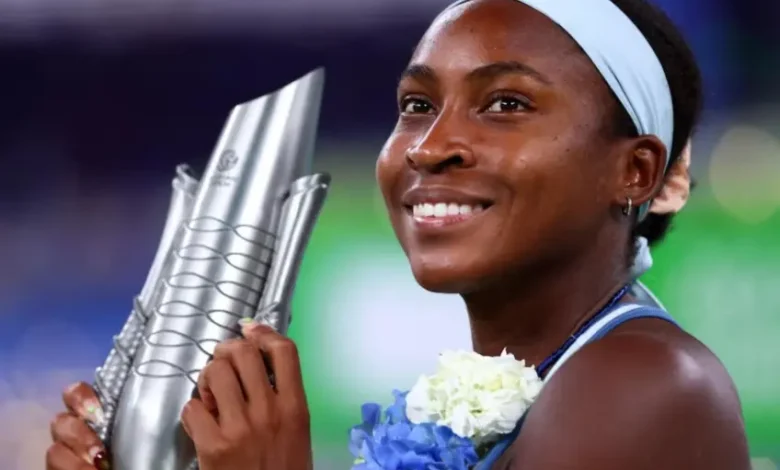
In the unforgiving glare of Arthur Ashe Stadium, where dreams are forged and shattered under the August sun, Coco Gauff has always been more than a tennis prodigy – she’s a beacon of unfiltered humanity. At just 21, the world No. 3 has already etched her name into Grand Slam lore with a 2023 US Open crown and a triumphant 2025 French Open title. But it was a raw, tear-streaked moment during this year’s US Open that stripped away the armor of invincibility, revealing the young woman behind the baseline warrior. Now, months later, Gauff is reclaiming that vulnerability, transforming a mid-match breakdown into a manifesto for authenticity in elite sports.
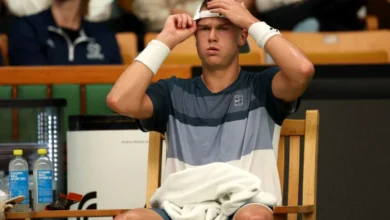
The tears fell on August 28, 2025, during a seemingly routine second-round clash against Croatia’s Donna Vekic. What unfolded was anything but routine. Gauff, fresh off a French Open glory that had cemented her as America’s tennis darling, entered Flushing Meadows riding a wave of expectation. Yet, her serve – a weapon that had powered her through clay-court conquests – betrayed her spectacularly. Seven double faults plagued the first set, culminating in a break at 4-4 that left her shattered. As she slumped into her changeover chair, towel draped over her head like a shroud, the cameras captured what no amount of training could conceal: sobs wracking her frame, the weight of the world pressing down on her slight shoulders.


“It was the worst I’ve ever felt on the court,” Gauff admitted in her on-site post-match interview, her voice cracking as the Ashe crowd – over 23,000 strong – erupted in supportive applause. The American star, who had fired coach Matt Daly just days prior in favor of biomechanics whiz Gavin MacMillan (the same expert who revamped Aryna Sabalenka’s toss), wiped her eyes and pressed on. A bathroom break proved pivotal, allowing her to reset amid the roar. Spying Olympic icon Simone Biles in the stands – a fellow trailblazer in mental resilience – Gauff drew invisible strength. “Seeing Simone there… she’s an inspiration,” she later shared. The tears fueled a turnaround: Gauff steadied her nerves, sharpened her strokes, and clinched a 6-4, 7-5 victory in straight sets. Vekic, no pushover at No. 22, fought valiantly, but Gauff’s grit prevailed.
The moment went viral, amassing millions of views across platforms. Social media lit up with a spectrum of reactions – from heartfelt empathy to misguided mockery. On X (formerly Twitter), clips of her breakdown garnered over 300,000 views in hours, with users like @TheTennisLetter posting: “Coco Gauff on crying during US Open match: ‘It feels human. Being an athlete, people disregard that side of us… If I stopped playing tomorrow, I have a career so many would dream of.'” The post racked up 6,600 likes, a testament to the tidal wave of solidarity. Yet, not all were kind; detractors labeled it “insane behavior” for a top seed, ignoring the invisible pressures of a career launched at age 15 when she toppled Venus Williams at Wimbledon.
Fast-forward to December 3, 2025, and Gauff, now reflecting from a season that netted two WTA titles and quarterfinal runs at the Australian Open and Wimbledon, is unapologetic. In a candid sit-down with FN Magazine – a brand partner that champions her off-court authenticity – the Florida native dissected the incident with the poise of someone twice her age. “Earlier in my career, I felt I had to be perfect because I could feel the weight of people looking up to me,” she explained. “But then I found that with my own idols… it was the moments they were vulnerable that made me feel seen. I don’t have to show up perfect all the time. For me, I just try to show up in all environments as myself.”
She zeroed in on the US Open tears with disarming candor: “For instance, at the US Open this year, I was crying to get through the match, and I ended up winning. Vulnerability is okay, and the best athletes in the world have vulnerable times. That’s not something you should dim. It’s something that you should show light to. No one’s life is up all the time. It’s all about how you respond in down moments.” Gauff’s words, quoted widely by outlets like The Tennis Gazette and Tennis World USA, struck a chord in a sport long criticized for its emotional stoicism. Where once players like Monica Seles or Justine Henin internalized turmoil, today’s stars – from Naomi Osaka’s hiatuses to Biles’ “twisties” – are rewriting the script. Gauff, ever the bridge-builder, name-dropped Emma Raducanu in the interview, praising the 2021 US Open champ for similar rawness: “Emma’s been through it too – those moments make us relatable.”
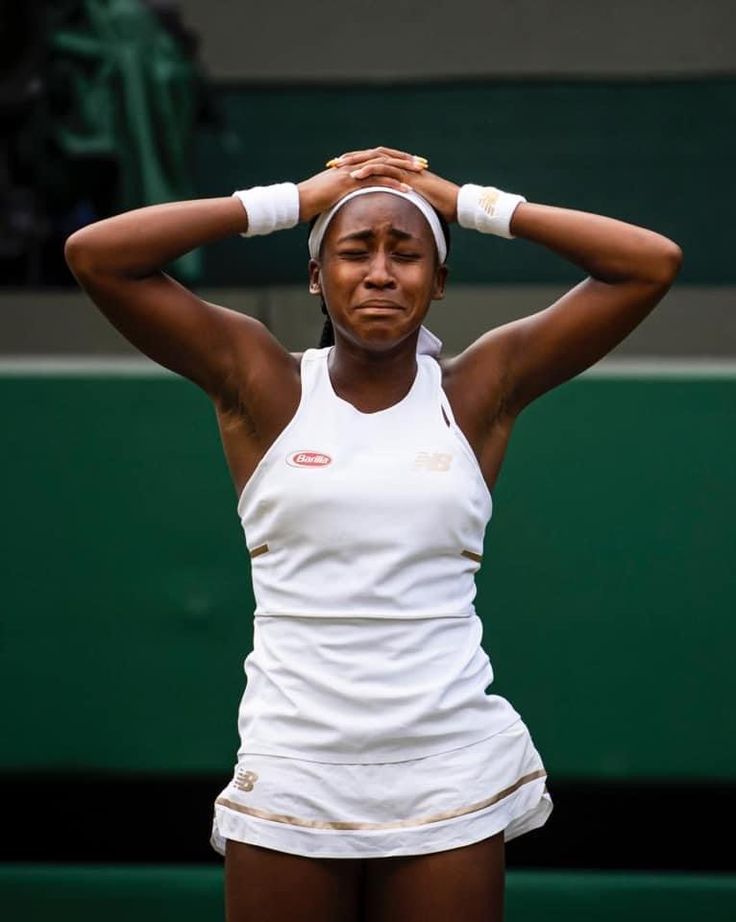
The 2025 US Open run, though cut short in the fourth round by a gritty loss to Elina Svitolina, reshaped Gauff’s relationship with her home Slam. Post-match, she spoke of a “new perspective,” crediting the New York faithful’s embrace for lightening the championship burden. “I realized I don’t want that moment to happen again… but I just showed people what it’s like to be human,” she said, her voice steady. Off-court, the episode amplified her advocacy: Gauff’s partnerships with New Balance and Rolex now spotlight mental health, with campaigns echoing her mantra of “reach for the crown” through resilience, not perfection. Even critics softened; Reddit’s r/tennis thread on the moment ballooned to 875 upvotes, users defending her: “They seem to love to attack the female tennis players that have emotional reactions… She’s going through something. We should be receptive and supportive.”
As 2026 dawns with the Australian Open on the horizon – and Gauff eyeing a No. 1 ascent amid rivals Iga Swiatek and Sabalenka – her US Open catharsis feels like a pivot point. The girl who once trembled challenging idols now teaches that tears aren’t defeat; they’re the spark for triumph. In a league of flawless facades, Gauff’s superpower isn’t her 120-mph forehand – it’s the courage to cry, reset, and roar back. Flushing Meadows may not have delivered silverware this year, but it gifted her something rarer: permission to be profoundly, imperfectly herself. For a generation tuning in, that’s the real ace.