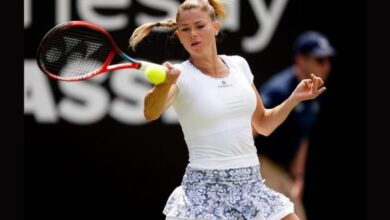
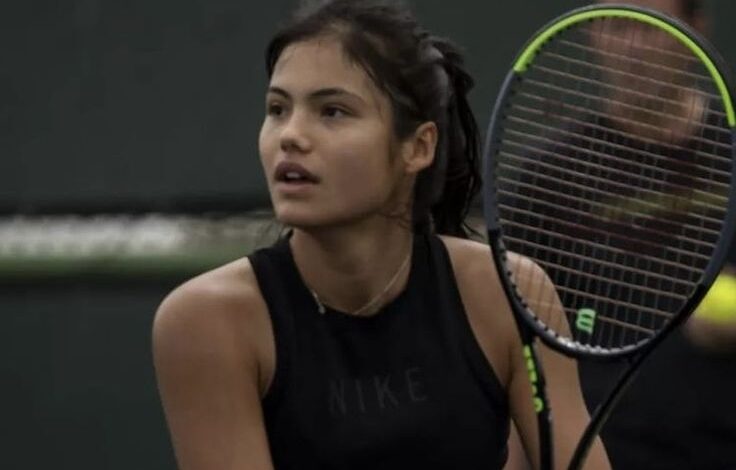
Emma Raducanu’s remarkable 2021 US Open victory as an 18-year-old qualifier remains one of the most stunning achievements in tennis history. Entering the tournament ranked outside the top 150, she stormed through the draw without dropping a set, becoming the first qualifier ever to win a Grand Slam title. Overnight, she transformed from a promising junior into a global superstar, complete with massive sponsorship deals and intense media scrutiny.
However, the years following that triumph have been challenging. Raducanu has struggled with injuries, inconsistent form, and a failure to reach another tour final, let alone a major semifinal. Her ranking fluctuated dramatically, dipping outside the top 300 at one point before climbing back. Amid these difficulties, one aspect of her career has drawn persistent criticism: her frequent changes in coaching staff.

Renowned coach Patrick Mouratoglou, who guided Serena Williams to multiple Grand Slam titles, recently highlighted what he sees as Raducanu’s primary misstep. In an interview, Mouratoglou emphasized the importance of long-term stability in coaching relationships for sustained success.
“I think her potential is very big. She’s won a Grand Slam, but after that, it was very difficult for her,” Mouratoglou said. “I think [she’s had] way too many coaches working with her. If you look at all the very successful tennis players, you need to follow a path for a few years to build yourself through a project. Whenever you change coaches, you change your project. If you change your project every six months, it’s too difficult.”
Mouratoglou’s point is echoed by others in the tennis world. Former British No. 1 Greg Rusedski, a 1997 US Open finalist, described the rapid coaching turnover as the key error that stalled Raducanu’s progress after her breakout.
“She went from zero to superstar too quickly, and that was a challenge,” Rusedski noted. “Raducanu did the hardest thing in tennis first—she won a Grand Slam. Then came astronomical fame and sponsorships, but the mistake she made was the coaching situation. So many changes didn’t help her.”
Since her US Open win, Raducanu has worked with numerous coaches, including short stints with Torben Beltz, Dmitry Tursunov, Sebastian Sachs, Nick Cavaday, and others. Some partnerships lasted only months, while trials ended even sooner. Critics argue this “coaching carousel” disrupted her development, preventing the consistent building of tactics, fitness, and mental resilience needed at the elite level.
Top players often thrive with long-term partnerships: Rafael Nadal worked with his uncle Toni for years before adding Francisco Roig (who later joined Raducanu’s team); Novak Djokovic has maintained stability with key figures in his camp; and Iga Swiatek has built her dominance alongside coach Tomasz Wiktorowski since 2021.
Raducanu herself has addressed the criticism, insisting frequent changes were never her intention. “It’s never really been my interest or philosophy to chop and change coaches,” she has said, noting that some arrangements were trials or ended due to external circumstances.
In 2025, signs of progress emerged. Raducanu enjoyed one of her healthiest seasons in years, reducing injury setbacks and finishing with a solid win-loss record. She reached semifinals and quarterfinals in select events, climbing back inside the top 30. Crucially, she settled on a more stable setup, hiring Francisco Roig—Nadal’s longtime assistant coach—in mid-season. Their partnership showed promise, with Raducanu crediting Roig’s experience for improvements in her game. The collaboration has been extended into 2026, signaling her commitment to the stability experts have long advocated.
While injuries forced her to end the 2025 season early, Raducanu’s flashes of brilliance—steadier baseline play, better point construction, and competitive matches against top opponents—suggest her talent remains intact. If she can maintain this coaching consistency, as Mouratoglou and others advise, the British star could finally harness her potential and contend for major titles again.
At 23, time is still on Raducanu’s side. Overcoming the post-fame turbulence and embracing long-term guidance may prove to be the turning point in her quest to build on that unforgettable 2021 triumph. The tennis world awaits her next chapter with anticipation.