
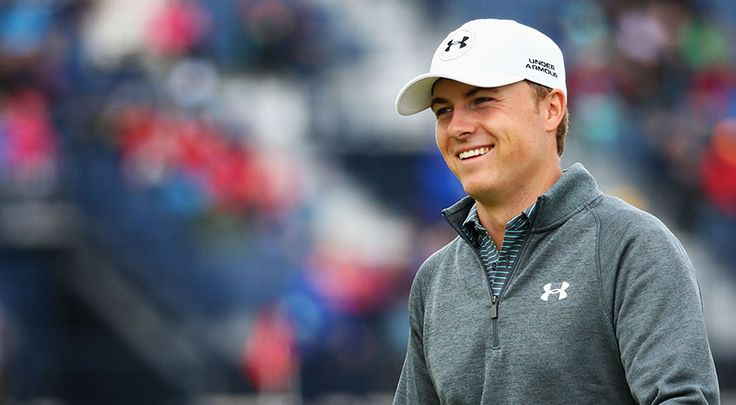
Jordan Spieth has thrown his support behind PGA Tour CEO Brian Rolapp’s vision for the future of professional golf, specifically endorsing the push to bring the Tour’s premier events to America’s largest cities and most valuable TV markets.
In a recent appearance on FanDuel’s “Up & Adams!” show at TPC Sawgrass ahead of The Players Championship, Spieth aligned himself with Rolapp’s strategic direction. The new CEO has outlined a broader plan to reshape the Tour’s competitive model, including one key element: expanding into major metropolitan areas where the sport currently has limited presence. Rolapp noted that the PGA Tour currently hosts events in only four of the top 10 U.S. media markets, a gap he aims to close by evaluating cities such as New York, Los Angeles, Chicago, Philadelphia, San Francisco, Washington D.C., Boston, and others—locations with strong fan interest and untapped potential to attract new audiences.


Spieth echoed this sentiment, emphasizing the logic behind prioritizing big markets for the Tour’s flagship tournaments. “We’re not in the New York area like we used to be,” he pointed out, highlighting how the absence from major hubs like New York and California has left opportunities on the table. He added that the focus on placing high-profile events in the biggest TV markets—such as New York and Los Angeles—makes complete sense for growing the sport’s reach and visibility.
Rolapp’s six-theme framework, presented ahead of The Players, includes compressing the season (late January to early September), larger and more consistent fields with cuts, a marquee West Coast opener for prime-time East Coast finishes, and this geographic expansion. The goal is to elevate the product by aligning events with population centers and media powerhouses, potentially boosting viewership, sponsorships, and overall engagement without abandoning smaller-market traditions entirely.
Spieth’s backing carries weight as a three-time major champion, 13-time PGA Tour winner, and longtime player advocate. His comments reflect a pragmatic view shared by many on Tour: in an era of competing entertainment options and evolving fan habits, maximizing exposure in high-density, high-viewership areas could help the PGA Tour remain competitive and appealing. While details like exact venues or which events move remain under discussion, Spieth’s endorsement signals player buy-in for at least this aspect of Rolapp’s forward-thinking agenda.
As the 2026 season progresses and conversations around the Tour’s future intensify, Spieth’s clear support for big-city events underscores a collective desire to modernize the schedule. Whether this leads to iconic new stops in places like New York or revamped calendars in California, the shift could redefine where—and how—the game’s biggest stars compete, ultimately aiming to draw larger audiences to golf’s premier stage.