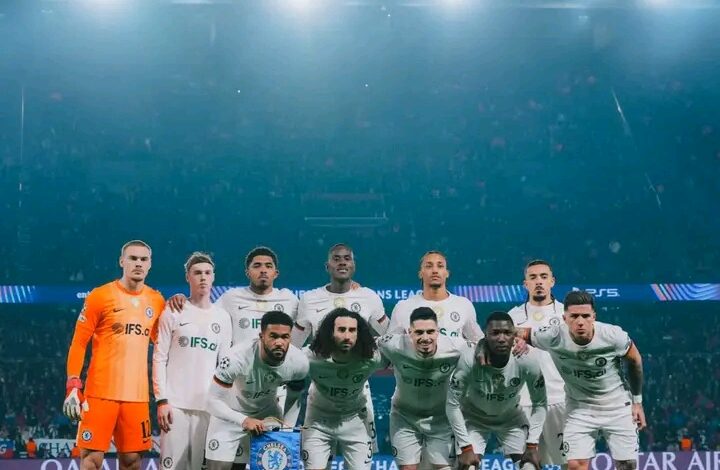
Chelsea’s hopes of advancing in the UEFA Champions League suffered a major setback on March 11, 2026, as they fell 5-2 to Paris Saint-Germain in the first leg of their Round of 16 tie at the Parc des Princes. What started as a competitive, back-and-forth encounter—where the Blues twice fought back to level the score—unraveled dramatically in the final 20 minutes, with PSG scoring three unanswered goals to secure a commanding advantage heading into the return leg at Stamford Bridge.
Under manager Liam Rosenior, Chelsea displayed bravery and ambition for much of the match, pressing aggressively and matching PSG’s intensity in an open, entertaining game. Goals from Malo Gusto (28′) and Enzo Fernández (57′) canceled out early strikes from Bradley Barcola (10′) and Ousmane Dembélé (40′), leaving the tie delicately poised at 2-2 with under half an hour remaining. Yet, a series of critical errors and a loss of composure allowed the defending champions to exploit Chelsea’s vulnerabilities and turn the contest into a rout.


The pivotal moment came from a costly goalkeeping mistake by Filip Jorgensen. With the scores level, the Danish keeper attempted a risky pass from the edge of his own area that was intercepted by Barcola. Vitinha capitalized with a delicate chip to make it 3-2 (74′), shifting momentum decisively toward PSG. Analysts, including Jamie Carragher, highlighted this as the turning point, noting that Chelsea’s goalkeeping issues have been a recurring problem preventing them from competing consistently at the elite level. The error not only handed PSG the lead but also deflated Chelsea’s resolve, exposing defensive frailties that the hosts ruthlessly targeted.
Following the third goal, Chelsea’s structure disintegrated. Late strikes from Khvicha Kvaratskhelia (86′ and 90+4′)—one a powerful drive from outside the box and the other a clinical finish—capitalized on disorganized defending and poor late-game management. Commentators described Chelsea’s final stages as “disorganized,” with the team unable to regroup or protect leads effectively. PSG’s superior quality in attack, particularly their ability to punish transitions and maintain composure under pressure, proved overwhelming once the Blues lost their shape.
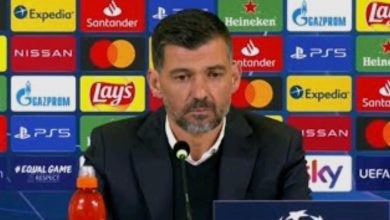
While Chelsea’s approach was praised for its courage—going toe-to-toe with one of Europe’s most potent sides—the high-risk style left them exposed against PSG’s star-studded forward line. Defensive lapses at center-back and full-back positions compounded the issues, allowing space for PSG’s quick, technical players to exploit gaps. Rosenior himself acknowledged the pain of the fifth goal, underscoring how individual mistakes snowballed into a damaging scoreline that Chelsea did not fully deserve based on their overall performance until the collapse.
The defeat leaves Chelsea facing a mountain in the second leg, needing at least three goals without reply to force extra time—while containing PSG’s lethal counter-attacks. The match exposed ongoing challenges in goalkeeper reliability, defensive organization under fatigue, and the ability to manage games when momentum shifts against top opposition. For Rosenior and his squad, addressing these areas will be crucial not only for salvaging this tie but for building long-term competitiveness in Europe’s premier competition.
As the focus turns to Stamford Bridge, Chelsea must harness home support and tactical discipline to mount an improbable comeback. The 5-2 result, however, serves as a stark reminder of the fine margins at this level—and the heavy price of errors against a side of PSG’s caliber.