
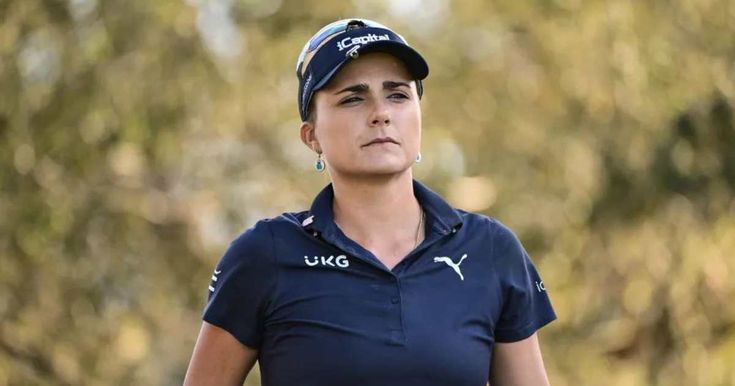
“Since I was 12 years old, my life has been a whirlwind.”
That honest reflection from Lexi Thompson captures the extraordinary — and often overwhelming — reality of a career lived entirely under the spotlight. In candid interviews and her emotional retirement letter, the former LPGA star opened up about the constant attention, scrutiny, and pressure that began when she qualified for the U.S. Women’s Open as a 12-year-old in 2007. Now 30 in 2026, Thompson has revealed what 17-plus years of professional golf actually did to her behind closed doors: a complicated mix of achievement, loneliness, and mental health battles that few saw in public.



### A Prodigy’s Rapid Rise
Lexi Thompson made history early. At just 12, she became the youngest player ever to qualify for the U.S. Women’s Open. She turned professional at 15 and won her first LPGA title at 16, setting a record as the youngest winner in tour history at the time. By 19, she claimed her only major championship at the 2014 Kraft Nabisco (now Chevron Championship).
Over the next decade and a half, she accumulated 11 LPGA victories, more than $14 million in earnings, two Olympic appearances, and six Solheim Cup teams. She played in 18 consecutive U.S. Women’s Opens and built a massive, loyal fan base with her approachable personality and willingness to stay late signing autographs.
Yet behind the highlights, the whirlwind took its toll. The cameras were always rolling. Social media amplified every shot, every mistake, and every personal moment. Thompson later described how she often forced a smile for fans and sponsors while struggling internally.
### The Private Cost of Public Success
In her 2024 retirement announcement and follow-up reflections, Thompson spoke openly about the mental health challenges that accompanied her fame. The constant scrutiny made it difficult to process failures privately. She dealt with loneliness on the road, the pressure of being a role model from such a young age, and the emotional weight of living a life where golf was essentially all she had known since childhood.
“There are more things to life,” she said, acknowledging that while golf brought incredible opportunities, it also meant sacrificing a normal adolescence and young adulthood. She missed typical teenage experiences, navigated a “complicated” relationship with the game, and at times felt the spotlight left little room for vulnerability.
The 2017 ANA Inspiration penalty drama — where a rules violation cost her a potential major — was one public low point, but Thompson has shared that many tougher moments happened away from the course. She took breaks from social media, prioritized mental health, and eventually stepped away from a full-time schedule after the 2024 season.
Even in 2026, as she competes selectively on a limited, personal basis (including appearances like the Ford Championship), Thompson continues to reflect on the long-term impact. The whirlwind gave her resilience and a platform, but it also taught her the importance of balance, rest, and seeking support.
### Finding Peace After the Spotlight
Thompson’s openness has resonated widely. She has become an advocate for mental health in sports, emphasizing that it’s okay not to be okay and encouraging others — athletes and everyday people alike — to prioritize well-being over constant performance.
Now semi-retired and in her early 30s, she has spoken about rediscovering joy in the game on her own terms, spending more time with family and friends, and exploring life beyond the ropes. She remains grateful for the journey while being honest about its hidden costs.
Her story humanizes one of women’s golf’s most visible figures. Fans who watched her grow up on tour now see the real person behind the prodigy label: someone who achieved remarkable success but paid a personal price for doing so under relentless public eyes.
### A Lasting Message
Lexi Thompson’s revelations about her 17 years in the whirlwind serve as a powerful reminder of the unseen struggles many young stars face. She qualified for a major at 12, won as a teenager, and sustained a long career — all while learning that fame and pressure can be isolating.
As she continues selective play in 2026 and beyond, Thompson’s honesty adds depth to her legacy. She isn’t just remembered for birdies and majors, but for showing that even the brightest talents need space to breathe, heal, and grow.
Her message is clear: the spotlight can be dazzling, but the quiet moments behind closed doors often shape who you become. Lexi Thompson has emerged wiser, more at peace, and still connected to the game that defined — and tested — so much of her life.