
“I Miss the Old Me…” — Rose Zhang Opens Up on the Pressure of Fame, Mental Health, and Expectations in Professional Golf

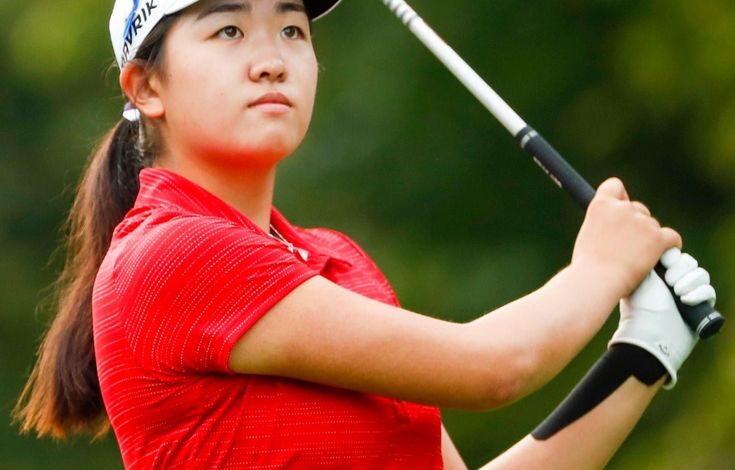
Rose Zhang’s rise in women’s golf has been nothing short of extraordinary. From junior golf sensation to the most accomplished amateur in modern history, then to an instant LPGA Tour winner, her name quickly became synonymous with greatness. But behind the victories, endorsements, and global recognition, the 22-year-old golf star is now revealing the emotional weight of success, pressure, and identity — a reality many fans are only beginning to understand.
Since turning professional, Rose Zhang has been under constant spotlight. Golf fans, analysts, sponsors, and media outlets have followed every swing, every tournament finish, and every career decision. With that attention came enormous expectations: to win consistently, to represent the future of women’s golf, and to carry the hopes of a new generation of players. In recent reflections, Zhang admitted something deeply personal and powerful: “I miss the old me.”



Those words capture the hidden struggle of many elite athletes — the loss of simplicity that comes with fame. Before the cameras, before the contracts, before the pressure of professional competition, Rose played golf because she loved it. Her early years were fueled by curiosity, joy, and freedom. Now, the game she adores exists inside a world of constant evaluation, performance metrics, public scrutiny, and relentless comparison.
The transition from amateur golf to the LPGA Tour is notoriously demanding. Travel schedules, media commitments, training expectations, sponsorship responsibilities, and tournament pressure create an exhausting rhythm that few are prepared for at such a young age. Rose has openly acknowledged how overwhelming that change has been, especially while still learning who she is outside of golf. Balancing mental health, physical performance, and personal growth has become as critical to her career as any technical adjustment on the course.
Despite her continued success, Zhang’s reflections reveal an athlete in the middle of personal evolution. She is no longer just competing against the field; she is navigating identity, expectation, and emotional resilience. Missing “the old me” is not about regret — it is about longing for a version of herself that played without fear, without pressure, and without the heavy responsibility of being the future of women’s golf.
Her honesty resonates across sports and beyond. In an era where athletes are finally speaking openly about mental health, stress, burnout, and emotional wellbeing, Rose Zhang’s voice joins a growing movement of competitors who refuse to hide the human cost of excellence. Her journey reminds fans that even the most gifted champions are still learning, still adapting, and still searching for balance.
As Rose continues to compete at the highest level, her story is no longer just about winning tournaments. It is about rediscovering joy, protecting mental health, and building a career that allows both success and self-preservation to coexist. The next chapter of her life in golf may very well be her most important one — not because of trophies, but because of the person she becomes along the way.