I’ve Given My Life to This Sport” — Lexi Thompson Opens Up on the Emotional Toll Behind Her Early Retirement Decision

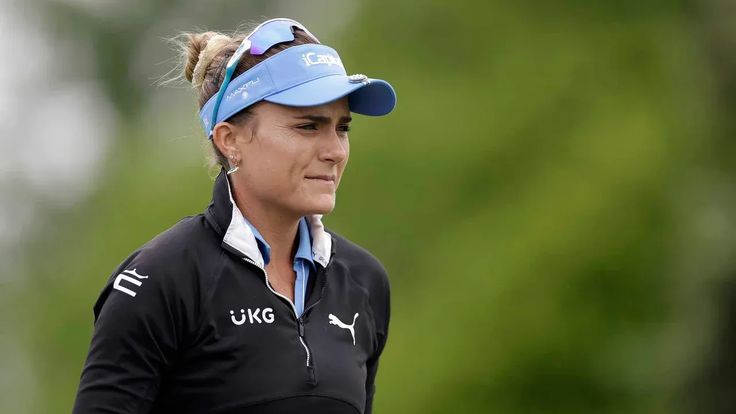
At just 29 years old, Lexi Thompson had already lived a lifetime in professional golf. A child prodigy who turned pro at 15 and joined the LPGA Tour in 2012, she amassed 11 victories, including a major championship at the 2014 Kraft Nabisco (now Chevron Championship). For over a decade, she was one of the most recognizable and talented faces in women’s golf — powerful off the tee, composed under pressure, and seemingly destined for even greater glory.
Yet in May 2024, ahead of the U.S. Women’s Open, Thompson made the stunning announcement that she would step away from full-time competition on the LPGA Tour at the end of that season. What followed was not a simple farewell, but a raw, tearful reflection on the hidden costs of a life devoted entirely to the game. In an emotional press conference, Thompson laid bare the mental and personal toll that ultimately led to her decision.



“I’ve given my life to this sport,” she said, her voice cracking as she fought back tears. Being out on Tour, she explained, “can be a lot. It can be lonely.” She apologized for getting emotional, admitting she had promised herself she wouldn’t cry, yet the weight of years of sacrifice poured out. “We’re humans. Words hurt. It’s hard to overcome sometimes.”
Thompson’s journey was marked by extraordinary early success and agonizing near-misses. She contended in multiple majors, famously coming agonizingly close on several occasions, only to fall just short. Those heartbreaks — the kind that linger long after the final putt — compounded the relentless demands of life as a touring professional: constant travel, intense practice regimens, media scrutiny, sponsor obligations, and the isolation that comes with weeks away from family and normal life.
She spoke candidly about the loneliness that many athletes face but rarely discuss openly. The Tour, for all its glamour, can feel like a solitary grind. Criticism from fans and commentators, even when well-intentioned, cuts deep. “I think we deserve a lot more credit than we get,” Thompson added, highlighting the immense unseen work that goes into maintaining elite performance week after week.
Her decision to scale back was not made lightly. After turning professional as a teenager, Thompson had known little else but golf. She grew up in the spotlight, with two older brothers who also pursued professional careers in the game. The sport shaped her identity from a young age, but sustaining that level of commitment took its toll on her mental health. She emphasized that she wasn’t seeking a “pity party” — rather, she wanted to acknowledge the very real human challenges behind the scores and trophies.
Even after announcing her shift away from a full schedule, Thompson continued to play selectively. In 2025, she appeared in a limited number of events, including making cuts in her early starts and keeping majors on her radar. Fans saw flashes of the old Lexi — powerful drives and that familiar competitive fire — but the emotional clarity of her 2024 announcement lingered. She described the announcement itself as a mix of relief, sadness, and pride.
Thompson’s openness resonated far beyond the golf world. In an era where athletes are increasingly vocal about mental health, her tears and honest words humanized the struggles that often remain hidden behind polished performances. She reflected on how much personal growth had come during her most difficult periods, yet ultimately recognized that she had given everything she could to the game she loved.
As she transitions into this next chapter — whether through occasional appearances, new pursuits off the course, or simply reclaiming time for herself — Thompson leaves behind a legacy of talent, resilience, and now vulnerability. She never won as many majors as some predicted in her youth, but her impact on the LPGA extended far beyond silverware. She inspired a generation of young girls to pick up clubs and showed that even the strongest competitors have limits.
In stepping away from full-time competition, Lexi Thompson chose self-preservation over prolonged struggle. Her emotional words served as a powerful reminder that elite sport demands far more than physical skill — it asks for pieces of the soul. “I’ve given my life to this sport” was not a complaint, but a profound statement of devotion and, ultimately, of release.
For Thompson, the decision marked the end of one extraordinary chapter and the beginning of another, freer one. The golf world will miss her presence on the leaderboard, but her courage in speaking truthfully about the emotional toll may leave an even deeper mark. In a game that so often celebrates stoicism, Lexi Thompson reminded everyone that it’s okay to feel — and sometimes, to let go.